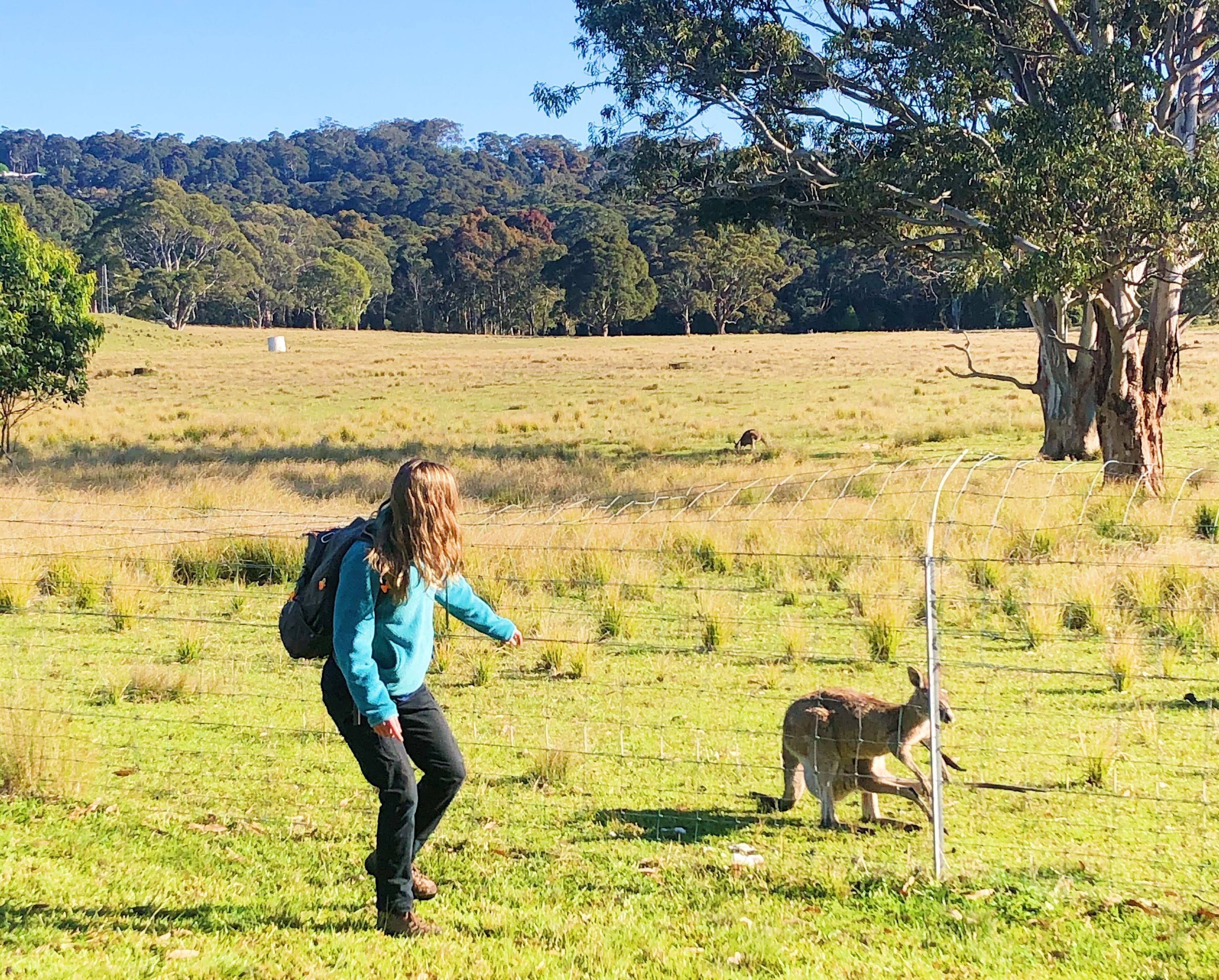
I spent the past five days on a coastal farm for my Plant Ecology class. We could hear the waves crashing from the lab and kangaroos roamed freely across the lawn – a few had joeys sticking out of their pouches!
October 13, 2019
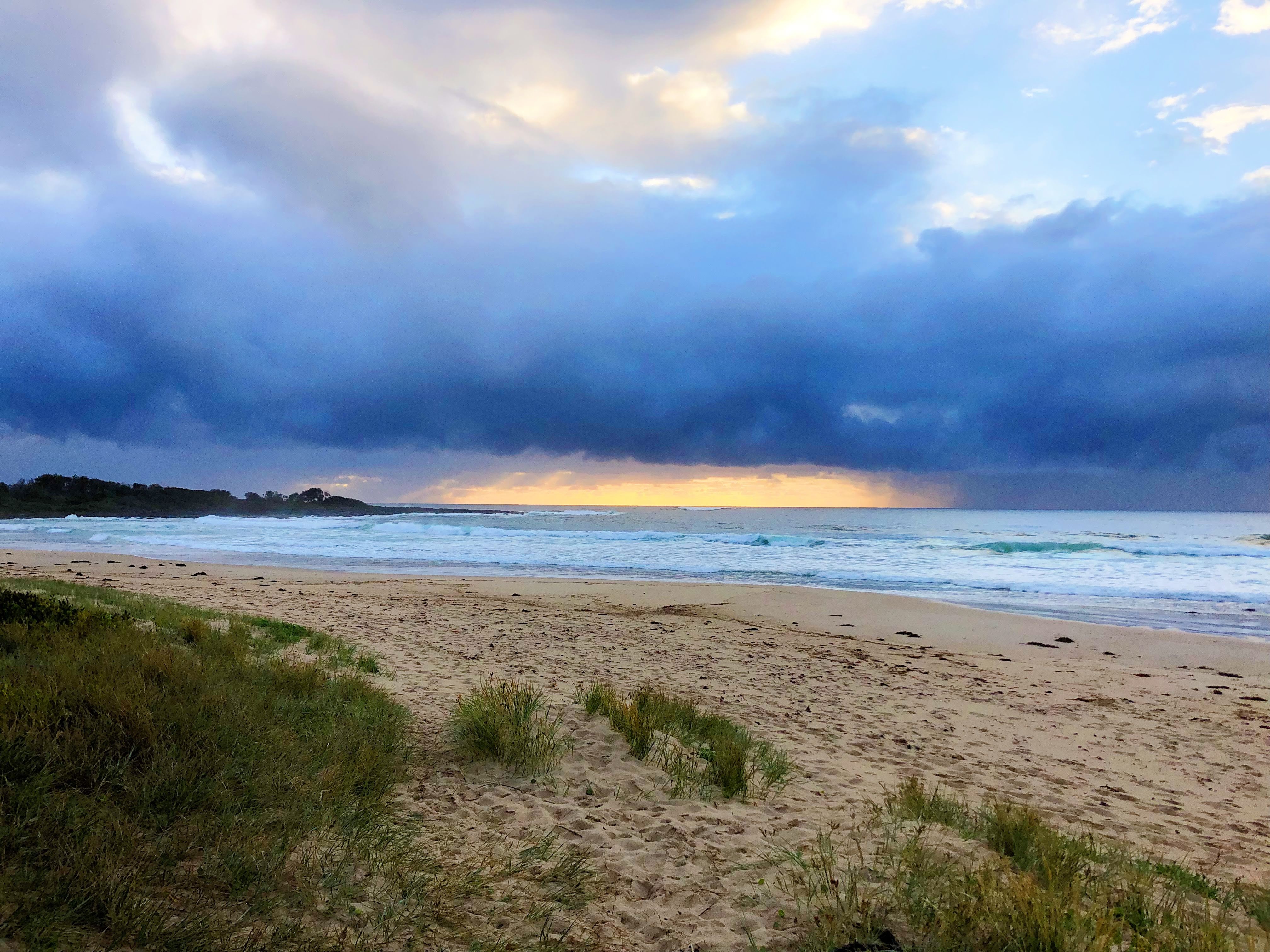
Whenever we weren’t collecting data in the field or identifying plants, we took to the forest or the beach.
October 12, 2019
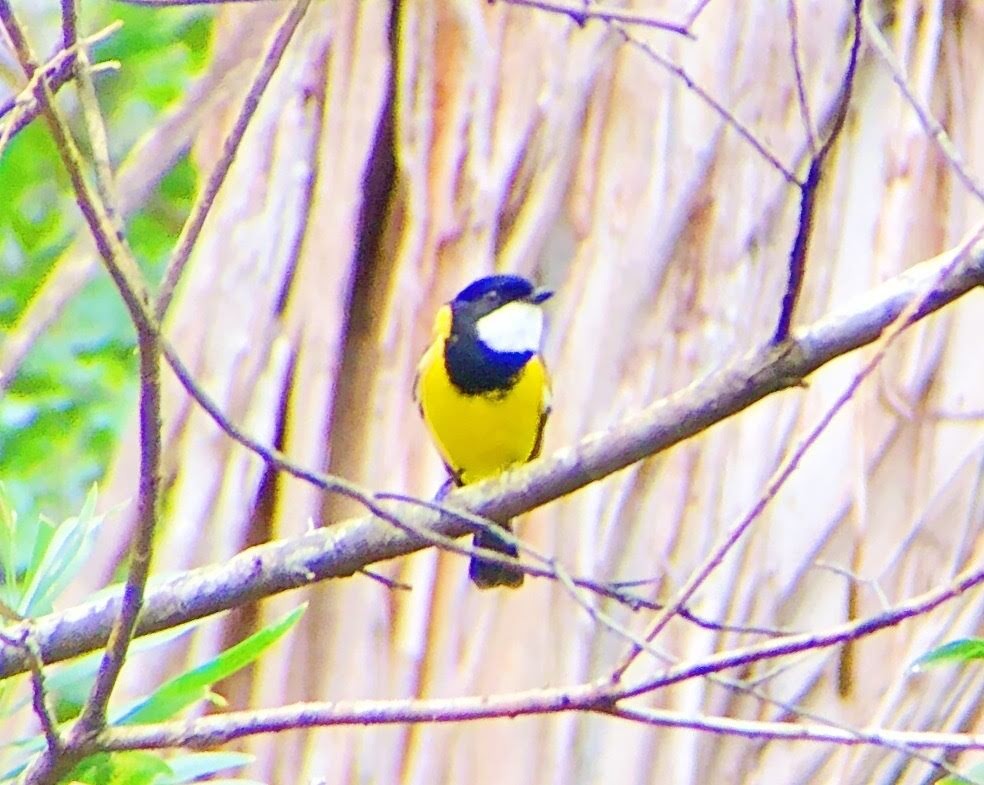
Binoculars in hand and knowledgable classmates by my side, I learned how to identify several bird species I had never seen before.
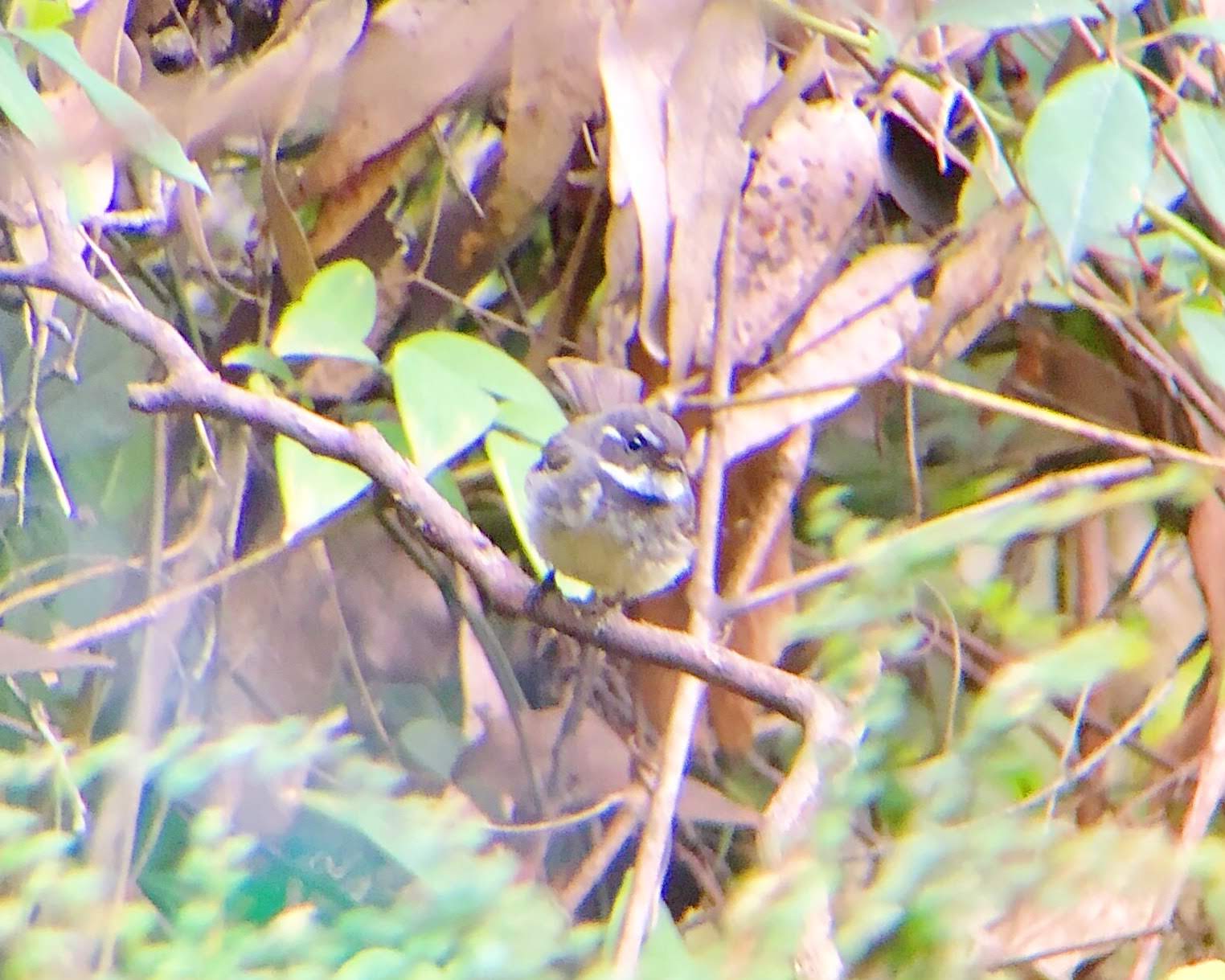
Photographed through my binoculars
October 14, 2019
Although I am researching frog bioacoustics, I haven’t done any fieldwork for my internship at the Australian Museum, so I finally went “frogging” for the first time!
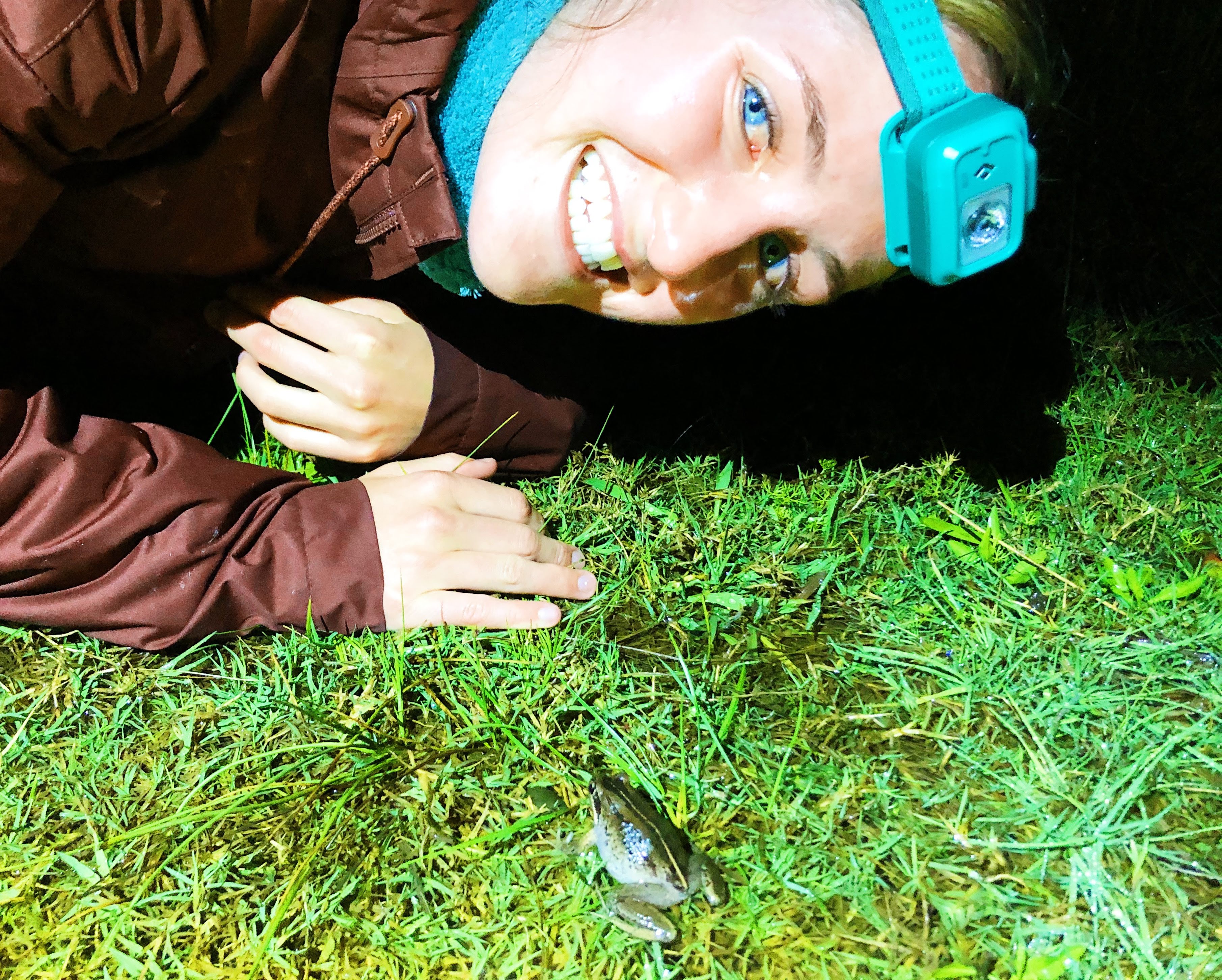
I was understandably dubbed “frog girl” the rest of the trip
October 12, 2019
As ecologists, my classmates and I were keen to identify all the species we saw, but even our collective knowledge didn’t have that power, so I was glad to introduce my friends to the Merlin Bird ID, eBird, and FrogID apps. Merlin has species lists from all over the world, which you can download and use to identify birds based on location, size, colors, and activity. The app generates a list of possibilities for your sighting, then you can browse photos and song recordings to find a match. Once you confidently identify a bird, Merlin links to eBird which keeps track of all your sightings and submits it to a database of citizen observations that scientists use!
Get the Merlin app and listen to its sweet song!
Photographed through my binoculars
October 14, 2019
FrogID works similarly to generate possible species for your location and provide information to help identify and learn about the species. Since it’s extremely hard to find frogs, people submit audio recordings through the FrogID app, which are verified by experts and used by researchers like me!
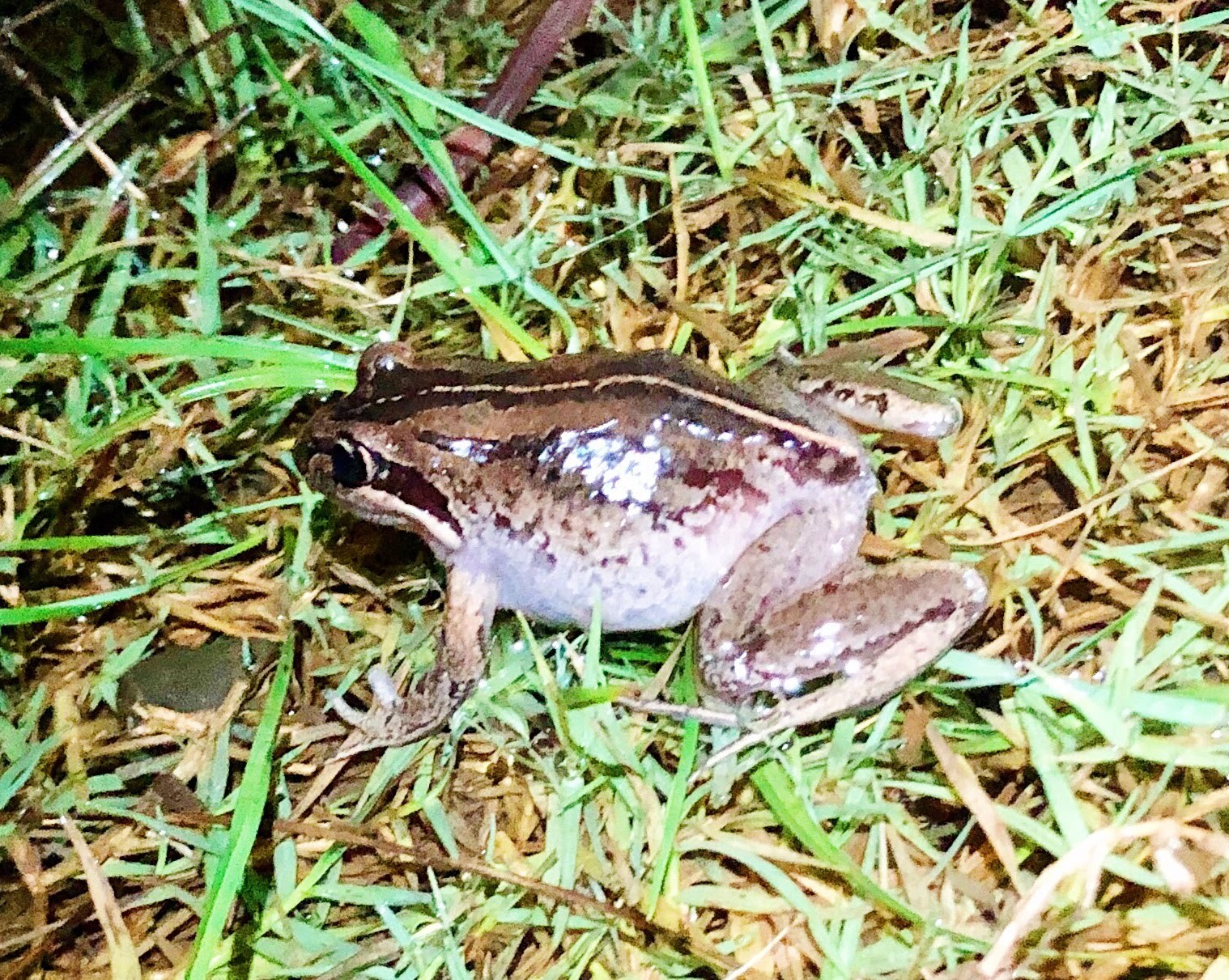
October 12, 2019
If you’re keen to submit any and all organismal observations to citizen science databases used by researchers, iNaturalist accepts and verifies observations of plants and animals globally.
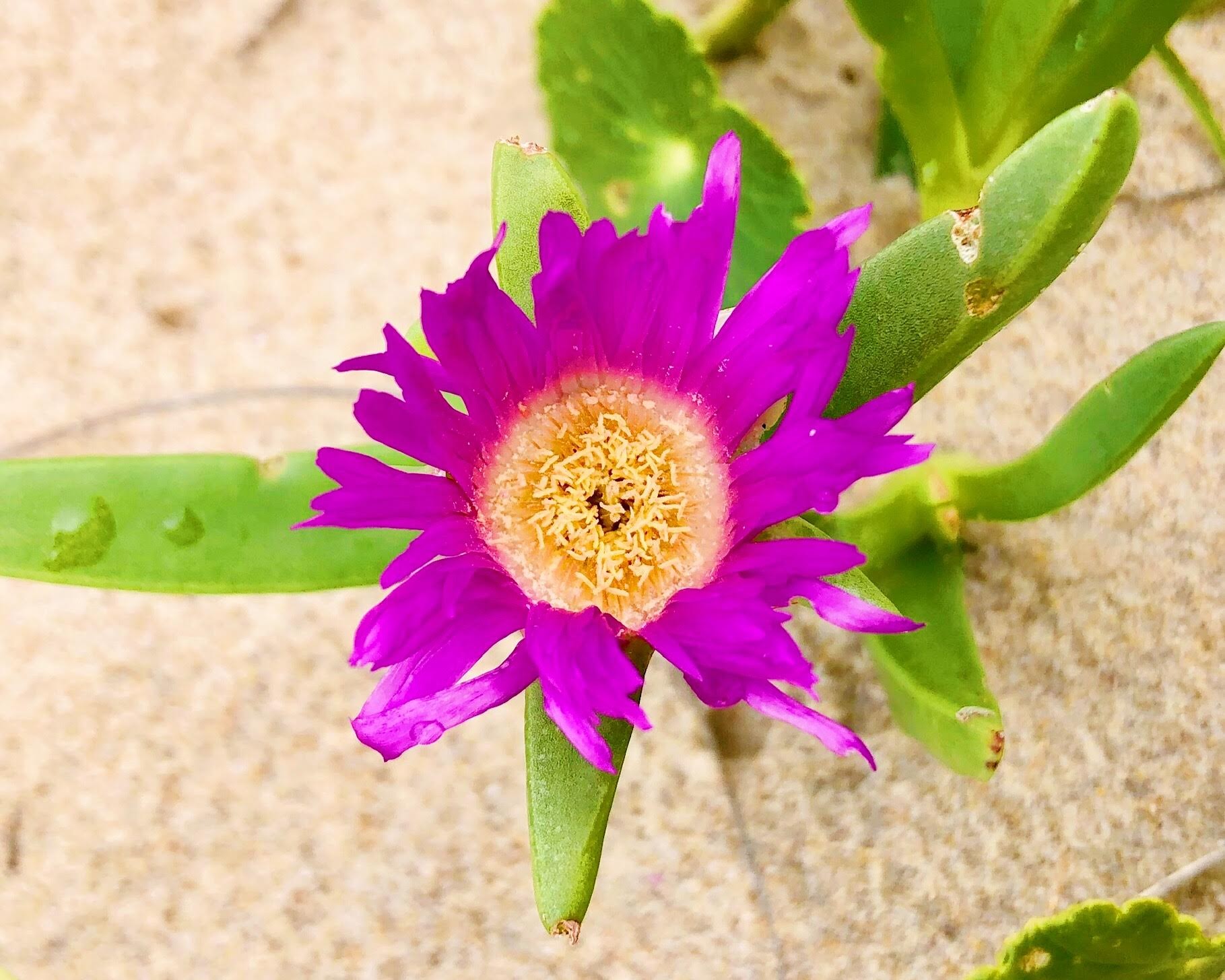
October 12, 2019
Not only are there apps to help you identify and learn about species, but people will also do it for you! Facebook groups like Australian Native Plants and Amateur Entomologists of Australia bring together thousands of people who exchange photos, identification, and appreciation of species.
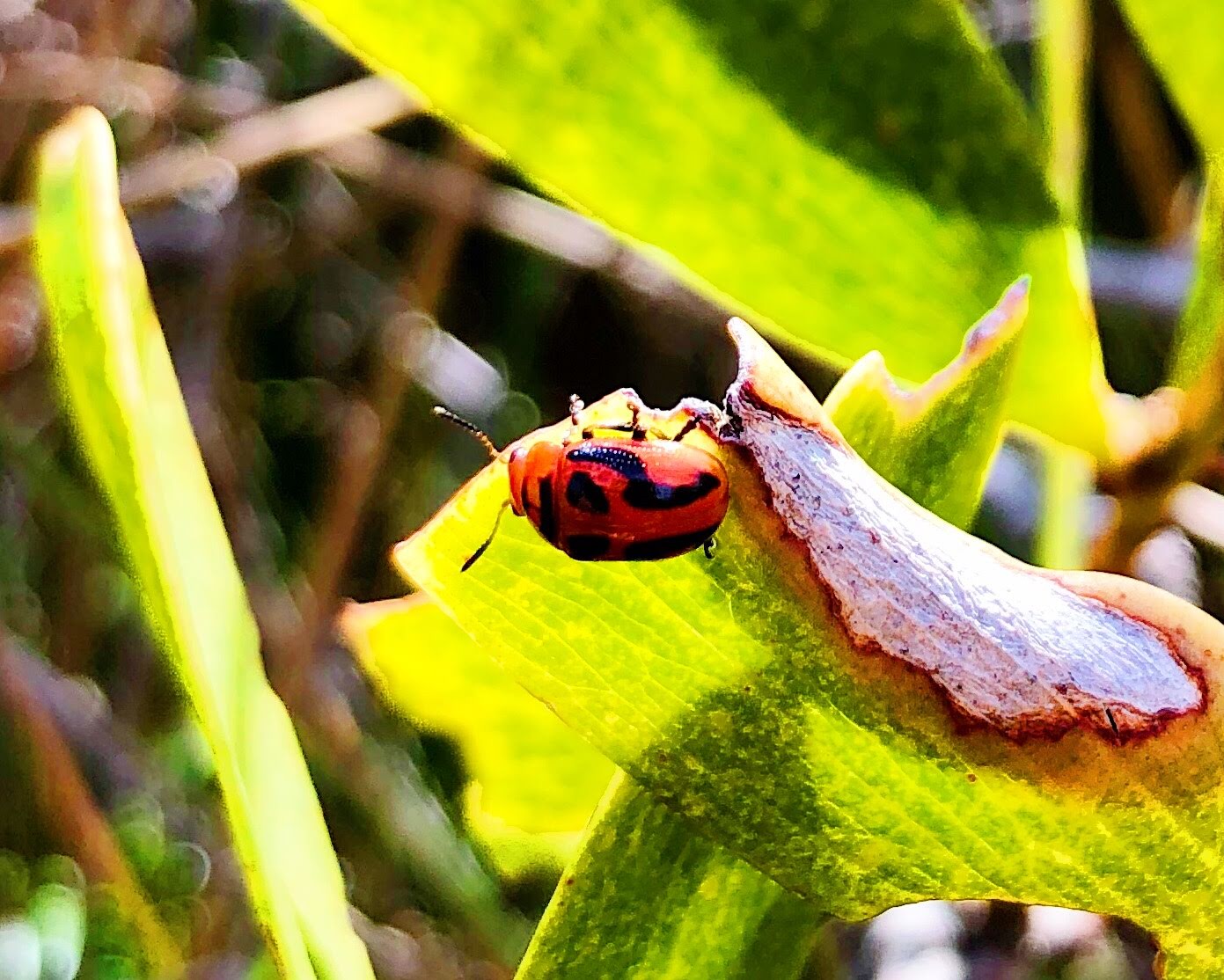
October 12, 2019
I was surprised to learn how few of my friends in my Plant Ecology class knew of these resources, and was glad to share the nature nerd starter pack that I have assembled over time from others’ recommendations.
As a conservation advocate, I have found that the more people recognize the diversity and complexity of the natural world around them, the more they care about it. No single person needs to be able to identify every living thing, but widely accessible resources like identification and observation logging apps allow scientists and nonscientists alike to be close to nature.
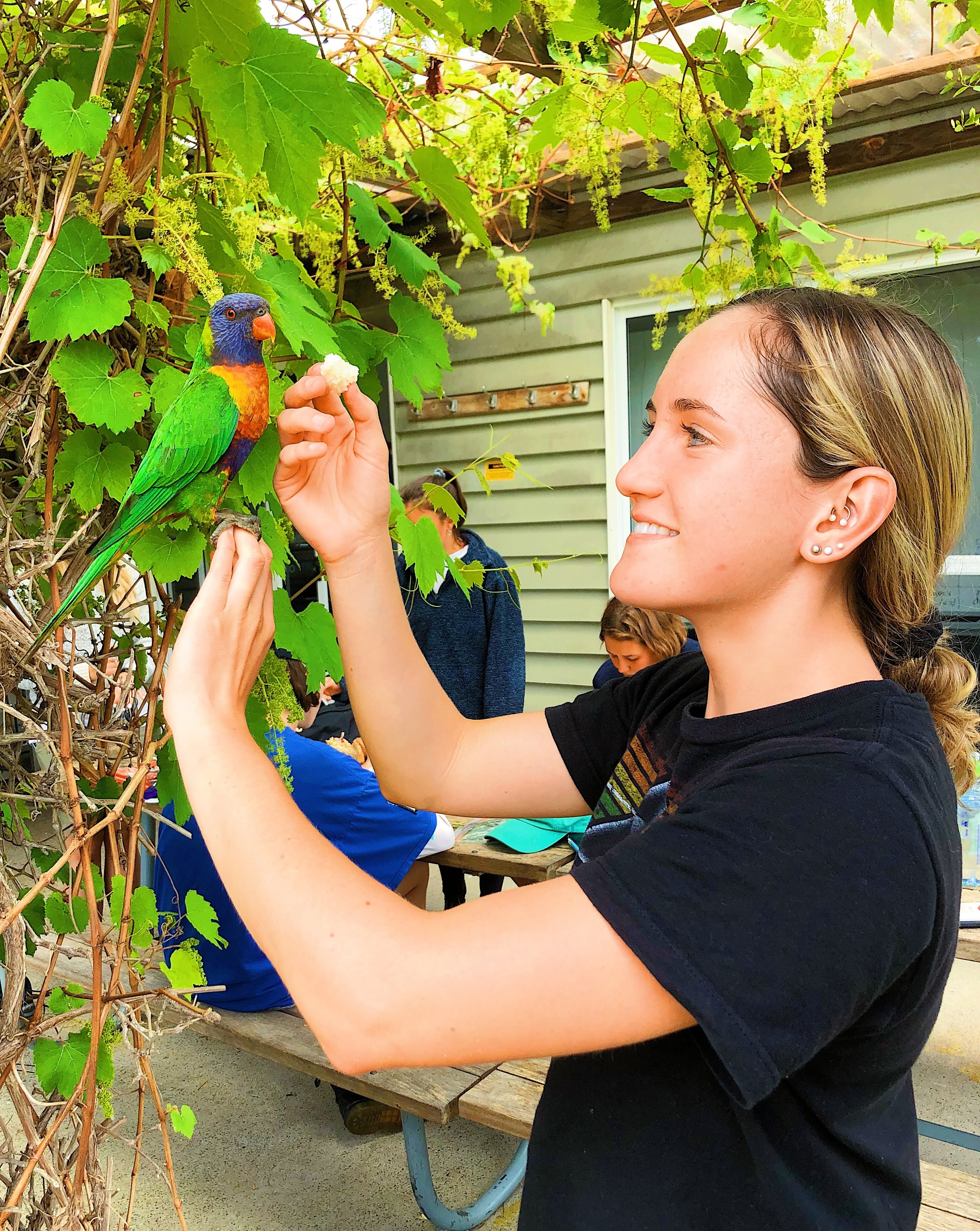
The Rainbow Lorikeet (Trichoglossus moluccanus)
is a friendly usual suspect of Australian backyards
October 14, 2019
My friends in Australia that I taught how to use these apps have already told me they taught other people how to use them. Knowing that my passion for nature radiates among people makes me confident and unapologetic for being “frog girl” or “nature nerd.”

 Living and Learning Down Under
Sounds like an incredible trip for my frog girl!
LikeLike